Is Your Home Still Supporting the Life You Want to Live?
If you've lived in your home for many years, it's easy to become accustomed to the way things have always been.
The extra bedrooms that once housed children now sit empty. The large yard that once brought joy now requires hours of maintenance. Stairs that never seemed like a challenge have become something you think about a little more often.
These changes don't necessarily mean it's time to move.
But they may be worth paying attention to.
A home should support the life you want to live—not create more work than you're able or willing to manage. Whether you're beginning to think about your own future or helping your parents consider theirs, asking the right questions today can make tomorrow's decisions much easier.
At The Reeves Group, we serve families throughout Maine as Strategic Property Advisors, helping homeowners evaluate their options thoughtfully and plan for whatever comes next.
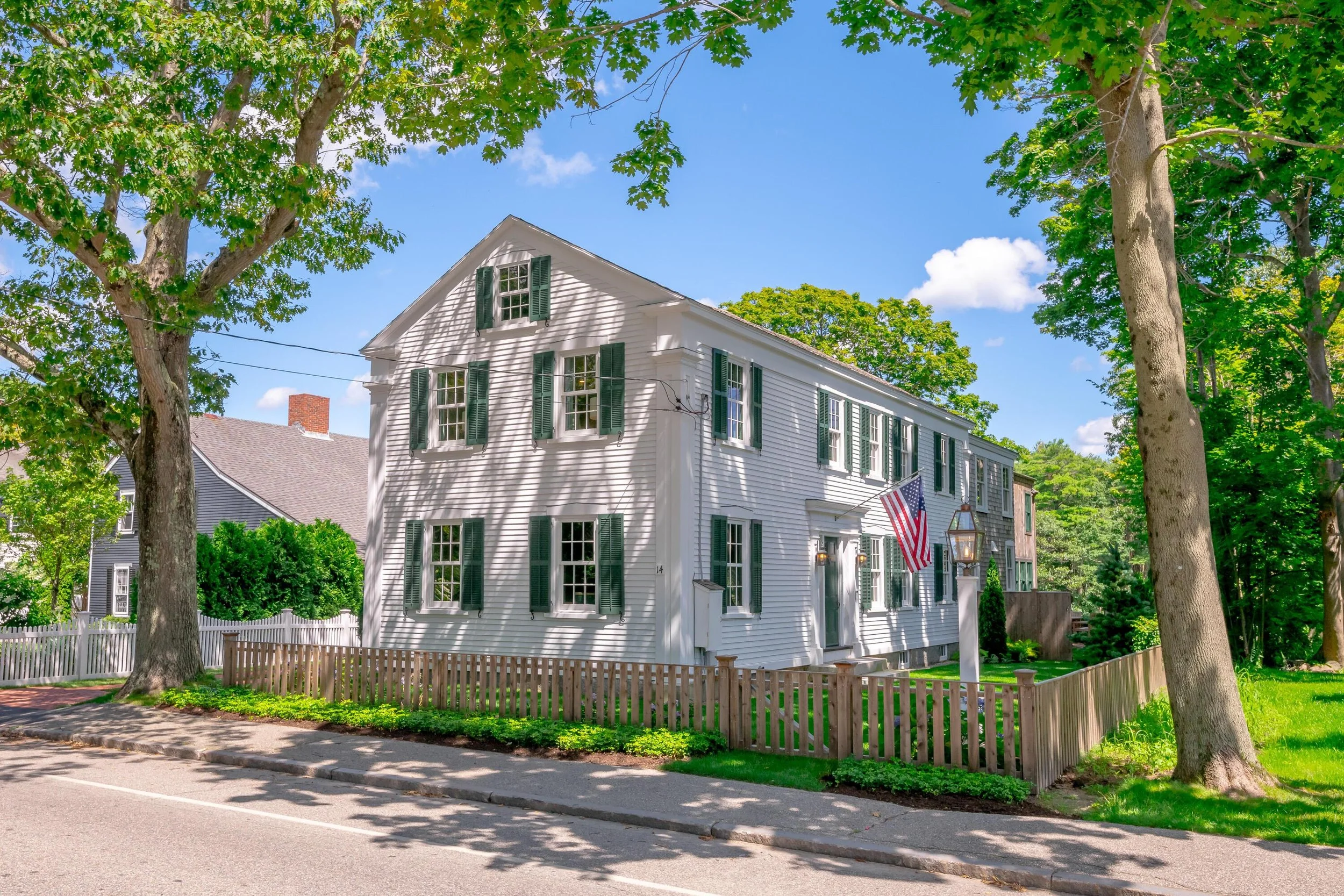
Your Needs Naturally Change Over Time
The home that was perfect twenty years ago may not be the home that best fits your life today.
As life changes, so do priorities.
Many homeowners begin looking for:
Less maintenance
Fewer stairs
More walkable neighborhoods
Closer proximity to family
More time to travel or enjoy hobbies
A home that's easier to maintain year-round
None of these changes happen overnight. Often, they begin with small realizations that gradually become larger conversations.
Bigger Isn't Always Better
For many years, buying a larger home was a natural goal.
Today, many homeowners are discovering that having the "right size" home can actually improve their quality of life.
Less time spent cleaning.
Lower maintenance costs.
More flexibility to travel.
More time enjoying family and the Maine lifestyle.
The goal isn't necessarily to downsize—it's to right-size.
Think About the Next Five to Ten Years
One of the most valuable questions you can ask is:
Will this home still support the life I want five or ten years from now?
You may decide the answer is yes.
Or you may begin thinking about changes that would make everyday life easier.
Planning ahead doesn't create pressure—it creates options.
Your Home Is Part of a Bigger Picture
Real estate decisions are rarely just about square footage or market value.
They're connected to retirement plans, family relationships, health, finances, and lifestyle.
That's why it's important to step back and look at the bigger picture before making any major decisions.
Sometimes staying exactly where you are is the right choice.
Other times, simplifying your home can create opportunities you hadn't considered.
Planning Creates Peace of Mind
One of the greatest benefits of planning early is simply having confidence in your options.
Understanding your home's value, today's market, and the possibilities available to you doesn't mean you're committed to making a move.
It simply means you're prepared when the time feels right.
Families who start these conversations early often experience less stress and greater flexibility when decisions eventually need to be made.
Every Family's Path Is Different
There isn't one perfect timeline.
Some homeowners happily remain in their homes for decades.
Others decide that moving closer to family, reducing maintenance, or simplifying daily life allows them to enjoy a new chapter with greater freedom.
The important thing is making a decision that supports your goals—not someone else's expectations.
Final Thoughts
Your home should enhance your life, not limit it.
Whether you're evaluating your own future, helping aging parents think through their options, or simply beginning to ask questions, taking time to understand your choices is always worthwhile.
At The Reeves Group, we believe the best real estate decisions begin long before a home is listed.
As Strategic Property Advisors, we're here to help Maine families explore their options with thoughtful guidance, honest advice, and a long-term perspective.
If you've started wondering whether your home still fits the life you want to live, we'd be honored to have a confidential conversation.
